
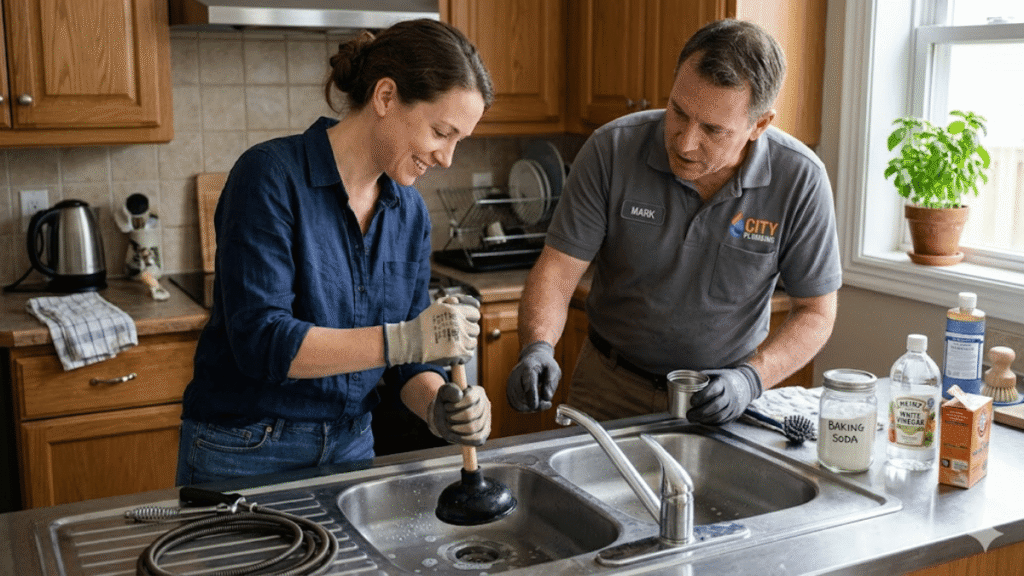
Standing in two inches of lukewarm, soapy water while you try to shower is a frustrating experience that many of us face in 2026. A slow-moving sink or a completely backed-up tub can disrupt your daily routine and, if ignored, lead to costly plumbing repairs or water damage. Knowing how to unclog a drain is a fundamental home maintenance skill that empowers you to take control of your living space without immediately calling an expensive 24-hour plumber.
Most household clogs result from a buildup of hair, soap scum, grease, or food particles that accumulate over months. While it is tempting to reach for a bottle of caustic chemical cleaner, these often do more harm than good by corroding your pipes and harming the environment. This guide explores professional-grade, mechanical, and natural solutions to restore your plumbing to peak performance. You will learn the specific tools required and the step-by-step techniques used by experts to clear even the most stubborn obstructions.
The Boiling Water Technique for Minor Grease Clogs
The simplest method to address a slow drain involves nothing more than your tea kettle. This approach is particularly effective in kitchen sinks where solidified fats and oils are often the primary culprits. When grease enters the pipes, it cools and clings to the walls, eventually trapping other debris.
To execute this, boil about a gallon of water. Pour it slowly down the drain in two or three stages, allowing the hot water to work for several seconds between each pour. The heat melts the congealed grease, allowing it to flush through the system. This method is safe for metal pipes, but use caution with PVC; if your home has plastic piping, ensure the water is very hot but not at a rolling boil to avoid softening the joints.
If the water remains stagnant after the first attempt, the clog might be composed of hair or a solid object. In these cases, thermal energy alone won’t suffice, and you need to move toward mechanical intervention. I find that many homeowners overlook this basic step, yet it solves nearly 30 percent of kitchen sink issues instantly. – how to unclog a drain.
Harnessing the Power of Baking Soda and Vinegar
For those who prefer a non-toxic approach, the chemical reaction between sodium bicarbonate and acetic acid provides a powerful bubbling action that can break up organic matter. This is my favorite “green” plumbing hack because it utilizes pantry staples you already own.
Start by pouring half a cup of baking soda directly down the drain. Follow this with half a cup of white distilled vinegar. Immediately plug the drain with a stopper or a rag to force the pressure downward toward the clog rather than up into the sink. You will hear a fizzing sound as the reaction occurs. Let this sit for at least 30 minutes.
After the time has elapsed, flush the drain with a kettle of hot water. This combination is excellent for removing the “biofilm” that coats pipes and causes that unpleasant damp smell. While it might not clear a total blockage caused by a wedding ring or a child’s toy, it is highly effective for routine maintenance and slow shower drains burdened by soap scum.
Using a Plunger Correctly for Pressure-Based Clearing
Most people own a plunger, but few use it with the correct technique. To successfully learn how to unclog a drain with pressure, you must understand the difference between a cup plunger and a flange plunger. A cup plunger is designed for flat surfaces like sinks and tubs, while the flange version has an extra sleeve for toilet bowls.
For a sink or tub, ensure there is enough water to cover the head of the plunger. If you are working on a double kitchen sink, you must seal the other drain with a wet rag or a stopper to create a vacuum. Place the plunger over the opening, ensuring a tight seal against the porcelain or stainless steel.
Push down gently first to release the air, then plunge vigorously up and down for 20 seconds. The goal isn’t just to push the clog down, but to pull it back and forth to break its grip on the pipe walls. Often, the debris will come up into the sink; simply remove it with gloves and dispose of it in the trash. Never push it back down the drain. – how to unclog a drain.
Removing and Cleaning the P-Trap
If the clog is deep and surface methods fail, the problem likely resides in the P-trap. This is the U-shaped pipe located directly beneath the sink. Its primary purpose is to hold a small amount of water to prevent sewer gases from entering your home, but its shape makes it a magnet for heavy debris.
Before you begin, place a bucket beneath the trap to catch any stagnant water. Use a pair of tongue-and-groove pliers to loosen the slip nuts at both ends of the U-shaped pipe. Once loosened, you can usually unscrew them by hand. Remove the trap and inspect it. It is common to find a concentrated mass of hair, rings, or even accumulated sediment here.
Clean the interior of the pipe with an old toothbrush and rinse it in a different sink or a bucket of soapy water. Check the washers for signs of wear; 2026 is a great time to replace any brittle seals to prevent future leaks. Reassemble the trap, ensuring the nuts are hand-tight, then test for leaks by running the water briefly.
Deploying a Drain Snake for Deep Obstructions
When a clog is further down the branch line, a plumbing snake (also known as a drain auger) becomes necessary. This tool consists of a long, flexible metal cable with a corkscrew end. It can reach deep into the plumbing architecture where plungers cannot.
Insert the head of the snake into the drain and turn the handle clockwise as you push forward. When you feel resistance, you have hit the clog. Continue cranking to hook the debris. Instead of trying to push through it, use a back-and-forth motion to break it apart or snag it.
Slowly pull the cable back out. You will likely find a large mass of hair or “flushable” wipes—which, as any plumber will tell you, are never truly flushable. This method requires patience. If you force the snake too hard, you risk damaging the interior of the pipes or getting the tool stuck. For shower drains, you may need to remove the overflow plate to get a better angle for the snake to reach the trap. – how to unclog a drain.
The Zip-It Tool for Hair Clogs in Bathroom Sinks
In the bathroom, the vast majority of clogs are caused by long hair entwined with toothpaste and shaving cream. For these shallow but stubborn obstructions, a plastic barbed wand, often called a “Zip-It” tool, is incredibly effective. It is a thin strip of plastic with teeth pointing upward.
You can often slide this tool past the pop-up stopper without having to disassemble the drain. Simply insert it as far as it will go, wiggle it slightly, and pull it back. The barbs will catch the hair fibers and pull the entire “hair snake” out in one piece. It is a deeply satisfying, if slightly gross, process that instantly restores flow.
I recommend keeping one of these under every bathroom vanity. They are inexpensive, reusable, and prevent the need for more invasive plumbing work. If you find yourself doing this every month, consider installing a mesh drain protector to catch hair before it ever enters the system. – how to unclog a drain.
When to Call a Professional Plumber
While learning how to unclog a drain can save you hundreds of dollars, it is important to recognize when a situation exceeds a DIY fix. If you have multiple drains backing up simultaneously—such as the toilet bubbling when the sink runs—you likely have a main sewer line blockage. This requires specialized industrial equipment that can damage your pipes if used incorrectly by an amateur.
Furthermore, if you see sewage backing up into your bathtub or if there is a persistent foul odor that doesn’t disappear after cleaning the traps, these are signs of a more serious structural issue or a collapsed pipe. In 2026, many professional plumbers use fiber-optic cameras to inspect your lines. If your DIY efforts haven’t worked after two hours of trying, it is time to call in the experts to avoid making the problem worse. – how to unclog a drain.
Expert Tips for Drain Maintenance
- Weekly Flush: Every Sunday, pour a gallon of boiling water down your kitchen drain to keep grease from building up.
- Mesh Guards: Spend $5 on stainless steel mesh strainers for your tubs and showers. They are the single most effective way to prevent clogs.
- Avoid Oils: Never pour cooking oil, bacon grease, or butter down the sink. Collect them in a jar and dispose of them in the trash.
- Coffee Grounds: Despite common myths, coffee grounds do not “scrub” your pipes; they settle in the trap and create a sludge that is difficult to remove. Compost them instead.
- Cold Water for Disposals: When running your garbage disposal, use cold water. This keeps fats in a solid state so they can be chopped up and flushed through, rather than melting and coating the pipes.
Frequently Asked Questions
Can I use Coca-Cola to unclog a drain?
While the phosphoric acid in cola can technically break down some organic matter, it is not an efficient drain cleaner. The high sugar content can also leave a sticky residue that attracts more debris. It is far more effective to use vinegar and baking soda or a mechanical tool.
Are chemical drain cleaners safe for my pipes?
Most plumbers advise against them. Strong chemicals like lye or sulfuric acid generate heat that can soften PVC pipes and damage the finish on your fixtures. If they don’t clear the clog, you are left with a sink full of toxic water that makes manual removal much more dangerous.
How do I know if my P-trap is the problem?
If only one sink is draining slowly and a plunger hasn’t worked, the issue is almost certainly in the P-trap or the immediate pipe leading to it. If all sinks in the house are slow, the problem is further down the main line.
Is it safe to snake a toilet with a regular drain snake?
No, you should use a closet auger for toilets. A standard metal drain snake can easily scratch or crack the porcelain of your toilet bowl. Closet augers have a protective rubber sleeve to prevent this damage.
What should I do if my drain smells like rotten eggs?
This usually indicates a dry P-trap or a buildup of bacteria. If the sink hasn’t been used in a while, run water for a minute to refill the trap. If it’s used regularly, use the baking soda and vinegar method to kill the odor-causing bacteria.
Maintaining clear drains is less about the tools you use and more about the habits you form. By being mindful of what goes down your sink and performing basic monthly maintenance, you can ensure your home’s plumbing remains efficient and odor-free throughout 2026. Taking the time to understand the mechanics of your home not only saves money but provides a sense of pride in your living environment.