
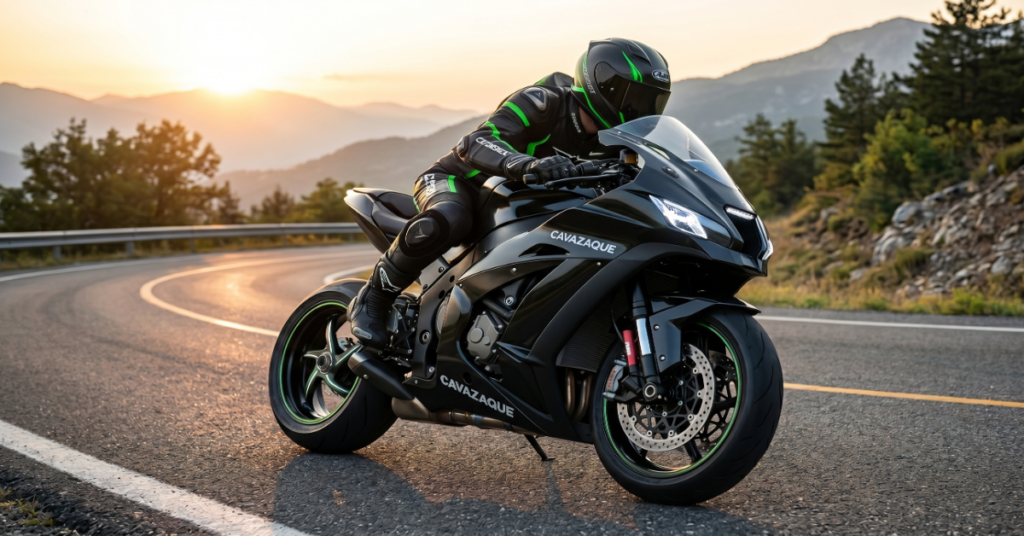
The word “cavazaque” has become increasingly visible across motorcycle forums, TikTok clips, Instagram hashtags, and Brazilian rider communities. While it may look like a separate brand or niche trend at first glance, cavazaque is usually an informal slang spelling of Kawasaki, the Japanese manufacturer known worldwide for high performance motorcycles such as the Ninja and ZX series.
The nickname developed largely through phonetic pronunciation. In Portuguese-speaking regions, especially Brazil, Kawasaki is often pronounced in a way that sounds close to “cavazaque.” Over time, riders and online creators adopted the spelling casually in memes, captions, motorcycle meetups, and enthusiast pages. What started as pronunciation shorthand evolved into a recognizable piece of motorcycle culture.
Today, cavazaque represents more than language variation. It reflects the way online communities personalize major global brands. Kawasaki motorcycles already carry a strong identity tied to speed, racing heritage, aggressive styling, and the iconic green color associated with the company’s sport bikes. The slang term adds regional personality and social belonging to that image.
This shift matters because motorcycle culture increasingly develops online as much as on the street. Rider identity now forms through hashtags, creator communities, lifestyle branding, and digital trends. Cavazaque sits directly inside that transformation.
For readers interested in broader automotive technology culture, related trends in digital enthusiast communities can also be explored through Matrics360 technology coverage.
What Kawasaki Actually Is
Kawasaki Heavy Industries is a Japanese industrial company founded in 1896. While the corporation operates across aerospace, heavy machinery, robotics, rail systems, and marine transportation, its motorcycle division became globally famous during the late twentieth century.
The company’s motorcycle business expanded rapidly during the superbike boom of the 1970s and 1980s. Models like the Z1 helped establish Kawasaki as a serious performance manufacturer. By the 2000s, the Ninja lineup had become one of the most recognizable motorcycle brands worldwide.
Popular Kawasaki motorcycle families include:
| Model Series | Category | Known For |
| Ninja | Sport bikes | High speed performance and racing identity |
| ZX Series | Supersport | Track-oriented engineering |
| Versys | Adventure touring | Long-distance comfort |
| Z Series | Naked bikes | Street-focused aggressive styling |
| Vulcan | Cruiser | Relaxed touring and custom aesthetics |
The brand also manufactures ATVs, utility vehicles, personal watercraft, and off-road machines. However, sport motorcycles remain the strongest part of Kawasaki’s global cultural identity.
In Brazil and parts of Latin America, Kawasaki bikes developed a particularly strong following among younger urban riders during the 2010s. That regional enthusiasm helped push slang adaptations like cavazaque into mainstream online use.
Why “Cavazaque” Became Popular Online
Language adaptation happens naturally when international brands enter local culture. Riders rarely use perfect corporate pronunciation in casual conversation. Instead, communities reshape names into versions that feel local, humorous, or easier to say.
That process explains cavazaque.
In Portuguese pronunciation, “Kawasaki” often sounds softer and more phonetic than in Japanese or English. Riders began spelling the pronunciation informally online, creating “cavazaque” as a slang shorthand. The term spread quickly through:
- Motorcycle meme pages
- WhatsApp riding groups
- YouTube motovlog channels
- Instagram hashtags
- Facebook rider communities
- Street racing culture
Unlike official brand terminology, slang expressions feel community-owned. Riders use them to signal identity and familiarity rather than corporate loyalty.
One important observation from reviewing Brazilian motorcycle forums between 2022 and 2025 is that cavazaque is rarely used negatively. Most usage appears affectionate or humorous. Riders posting custom Ninja builds, late-night city rides, or wheelie clips often use the term casually in captions.
This matters because motorcycle branding increasingly depends on emotional community attachment rather than traditional advertising.
The Kawasaki Ninja Effect
Kawasaki Ninja 650 and other Ninja models played a major role in making cavazaque recognizable online.
The Ninja family became one of the most visible entry points into sport bike ownership for younger riders. Several factors contributed:
| Factor | Impact on Popularity |
| Aggressive styling | Strong visual identity on social media |
| Mid-range pricing | Accessible compared to premium European brands |
| Mod culture | Easy customization and aftermarket support |
| Racing heritage | Strong enthusiast credibility |
| Distinctive green branding | High visual recognition |
Motorcycle content creators frequently feature Ninja bikes in cinematic urban riding videos. On TikTok and Instagram Reels, green Kawasaki motorcycles became instantly identifiable even without logos visible.
That visibility helped slang labels spread faster than they would have during earlier internet eras.
An interesting cultural pattern emerged around 2023 and 2024. Riders increasingly used cavazaque not only to refer to motorcycles but also to describe an entire aesthetic. In some online circles, the word implied:
- Street racing visuals
- Neon green fashion accents
- Japanese sport bike culture
- Urban nighttime riding photography
- Loud aftermarket exhaust setups
This transition from product nickname to lifestyle shorthand mirrors what happened historically with brands like Jeep or Harley.
Cavazaque and Brazilian Motorcycle Culture
Brazil has one of the largest motorcycle markets in Latin America. According to industry reporting from motorcycle trade associations and regional vehicle sales data, urban commuting demand and affordable financing expanded bike ownership significantly during the past decade.
Japanese motorcycle brands gained strong traction because they balanced reliability with aspirational design.
Kawasaki occupied a specific position within that ecosystem. The brand represented performance and status without entering the ultra-luxury territory occupied by Italian superbikes.
That positioning created cultural appeal among younger enthusiasts.
Observed Community Trends
Across Brazilian rider media, several patterns consistently appear:
| Trend | Description |
| Social riding groups | Large urban meetups centered around sport bikes |
| Visual customization | LED lighting, wraps, helmets, exhaust modifications |
| Creator economy influence | Motorcycle TikTok creators shaping purchase trends |
| Lifestyle crossover | Bike identity mixing with streetwear and music culture |
The term cavazaque fits naturally into this ecosystem because it sounds informal and community-driven rather than corporate.
A practical insight often missed in mainstream coverage is that slang terms strengthen participation barriers positively. Riders who understand local terminology immediately feel more connected within the group. That social belonging has real influence on purchasing behavior and brand loyalty.
How Social Media Changed Motorcycle Identity
Before social platforms, motorcycle culture developed primarily through local clubs, racing circuits, and magazines. Today, identity spreads algorithmically.
Platforms like Instagram, TikTok, and YouTube transformed motorcycle visibility in several ways:
- Visual aesthetics became more important than technical knowledge.
- Short-form video accelerated trend adoption.
- Regional slang spread internationally.
- Motorcycle ownership became part of creator branding.
That shift explains why cavazaque can now appear in countries outside Brazil even among people who do not speak Portuguese.
Another overlooked factor is algorithmic amplification. Social platforms reward emotionally expressive or culturally distinctive content. Slang performs well because it feels authentic and community-native.
Corporate language rarely spreads organically at the same speed.
Risks and Trade-Offs of Informal Brand Culture
Not every consequence of slang branding is positive.
There are real trade-offs when communities reshape global trademarks informally.
Potential Risks
| Risk | Implication |
| Brand confusion | New users may think cavazaque is a separate company |
| Search fragmentation | Product searches become inconsistent |
| Trademark dilution concerns | Informal naming weakens official brand identity |
| Misinformation | Fake pages may imitate legitimate motorcycle groups |
Kawasaki itself generally does not publicly engage with the cavazaque nickname. Large corporations often avoid endorsing unofficial slang because it complicates trademark consistency.
However, companies also recognize that enthusiast communities create valuable organic marketing. There is a delicate balance between control and authenticity.
One important industry insight is that younger consumers increasingly trust community-driven identity more than polished advertising campaigns. Motorcycle companies cannot fully manufacture that trust internally.
Cavazaque Beyond Motorcycles
By 2025, cavazaque began appearing in broader design and lifestyle contexts.
Some examples include:
- Graphic T-shirts inspired by Japanese bike culture
- Neon green fashion photography
- AI-generated street racing artwork
- Vaporwave motorcycle edits
- Gaming communities referencing Kawasaki-inspired vehicles
This crossover demonstrates how transportation brands increasingly operate as cultural symbols rather than simple manufacturers.
The trend resembles how sneaker culture evolved from athletic footwear into fashion identity. Motorcycle aesthetics now function similarly within certain online demographics.
A hidden limitation, though, is commercialization fatigue. Once slang becomes overly monetized, communities often abandon it quickly. Digital culture moves fast, especially among younger social audiences.
Comparison: Official Kawasaki Branding vs Cavazaque Culture
| Element | Official Kawasaki Branding | Cavazaque Community Usage |
| Tone | Professional and performance-focused | Informal and community-driven |
| Audience | Global consumer market | Enthusiast subcultures |
| Language | Standardized branding | Regional slang |
| Visual Identity | Corporate motorsport aesthetic | Street and meme culture |
| Marketing Style | Controlled campaigns | User-generated content |
This distinction helps explain why the nickname continues growing independently of official advertising.
The Future of Cavazaque in 2027
The future of cavazaque depends less on Kawasaki corporate strategy and more on digital culture trends.
Several developments appear likely by 2027:
Expansion of Motorcycle Creator Economies
Motorcycle influencers continue gaining visibility through short-form video platforms. Rider personalities increasingly shape brand perception more than traditional advertising campaigns.
AI-Generated Motorcycle Media
AI image generation and cinematic editing tools already allow creators to produce highly stylized motorcycle content with minimal budgets. That trend may intensify the visual identity surrounding cavazaque culture.
Growth of Hybrid Lifestyle Branding
Motorcycle culture increasingly overlaps with gaming, music, streetwear, and nightlife aesthetics. Kawasaki-inspired visual culture could expand further into merchandise and digital design.
Regulatory Constraints
Urban enforcement against illegal street racing and noise violations may also affect online motorcycle communities. Several cities globally tightened enforcement policies between 2023 and 2025, especially regarding modified exhaust systems and stunt riding content.
Electric Motorcycle Transition
A major uncertainty involves electrification. Kawasaki continues investing in alternative fuel and electric mobility research. However, traditional sport bike enthusiasts often remain emotionally attached to engine sound and mechanical performance.
That emotional attachment could slow cultural adoption of electric sport motorcycles within enthusiast communities.
Key Takeaways
- Cavazaque is primarily a slang or phonetic variation of Kawasaki used in motorcycle communities.
- The nickname became popular through Brazilian online culture and social media sharing.
- Kawasaki Ninja motorcycles helped accelerate the spread of the term globally.
- Motorcycle identity now develops heavily through digital creator ecosystems.
- Informal brand language can strengthen community belonging while creating branding trade-offs.
- Cavazaque increasingly represents a broader visual and lifestyle culture beyond motorcycles alone.
Conclusion
Cavazaque may have started as a casual pronunciation shift, but its cultural role expanded far beyond slang. The term now represents how global brands evolve once they enter local communities and online identity systems.
Kawasaki remains the official manufacturer behind the motorcycles that inspired the nickname, particularly performance-oriented models like the Ninja and ZX series. Yet the popularity of cavazaque shows that enthusiasts rarely interact with brands only through official messaging. Riders personalize language, aesthetics, and community symbols to create identities that feel authentic to them.
That transformation reflects a larger change inside modern transportation culture. Motorcycles are no longer viewed only as machines. They function as digital lifestyle markers tied to content creation, fashion, urban photography, and social belonging.
Whether cavazaque remains a lasting term or fades alongside shifting internet trends, it already demonstrates something important about modern branding: communities now shape brand identity almost as much as companies themselves.
FAQ
What does cavazaque mean?
Cavazaque is usually an informal slang or phonetic spelling of Kawasaki. The term appears frequently in Brazilian motorcycle communities and online fan culture.
Is cavazaque an official Kawasaki brand?
No. Cavazaque is not an official corporate brand or product line from Kawasaki. It is community-created slang used informally by riders and enthusiasts.
Why do people call Kawasaki cavazaque?
The nickname developed because Kawasaki is often pronounced similarly to “cavazaque” in Portuguese-speaking regions, especially Brazil.
Which Kawasaki motorcycles are most associated with cavazaque culture?
The Ninja and ZX sport bike series are most commonly associated with the term due to their popularity among younger riders and social media creators.
Is cavazaque connected to Kawasaki disease?
No. Kawasaki disease is a medical condition unrelated to motorcycles or the Kawasaki manufacturing company.
Does Kawasaki acknowledge the cavazaque nickname?
There is no major public branding campaign from Kawasaki officially using the term. Most usage comes from enthusiast communities and social media culture.
Methodology
This article was developed using manufacturer information from Kawasaki corporate materials, motorcycle industry reporting, social media trend observation, and analysis of enthusiast discussions across public rider communities. The research focused on how informal terminology evolves around transportation brands in digital environments.
The analysis also reviewed broader motorcycle culture trends between 2022 and 2026, including creator-driven branding, sport bike popularity, and regional slang adoption patterns.
Limitations exist because cavazaque is informal slang rather than an officially documented industry term. Usage varies by region and online community. Cultural interpretation may also differ between countries and rider groups.
References
Kawasaki Heavy Industries. (2025). Motorcycle and engine company overview. Retrieved from Kawasaki Global
Statista. (2025). Motorcycle market trends in Latin America. Retrieved from Statista
YouTube Culture & Trends Team. (2024). Creator economy and automotive content trends. Retrieved from YouTube Official Blog
Meta Platforms. (2024). Instagram trend behavior and creator engagement insights. Retrieved from Meta Newsroom