
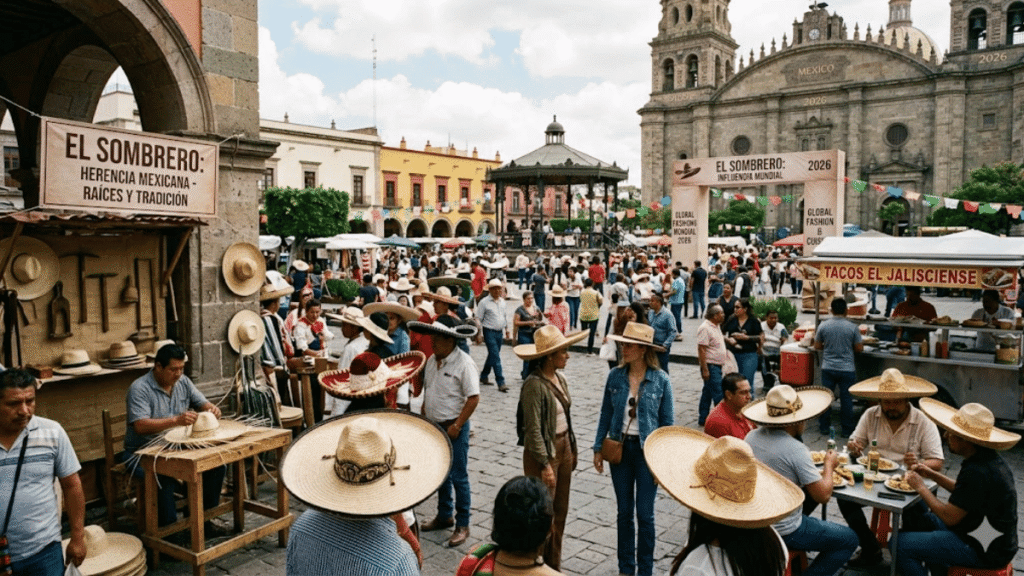
Whether you see it as a symbol of festive celebration or a sophisticated piece of artisanal craft, the el sombrero remains one of the most recognizable silhouettes in global culture. As we move through 2026, this iconic wide-brimmed hat has undergone a fascinating transformation, moving far beyond its functional origins in the sun-drenched fields of Mexico to become a staple of high-fashion runways and a central pillar of cultural identity. The name itself, derived from the Spanish word “sombra” for shadow, perfectly captures its original purpose: to provide a portable sanctuary from the intense heat of the North American interior.
Understanding the modern relevance of the el sombrero requires looking past the kitschy caricatures often found in tourist shops. For the people of Mexico and the wider diaspora, the hat represents centuries of resistance, craftsmanship, and aesthetic pride. In 2026, we are seeing a significant resurgence in appreciation for the traditional techniques used to create these pieces. From the humble straw versions used by field workers to the elaborate, felt-embroidered “sombrero de charro” worn by mariachis, every stitch tells a story of a nation’s soul.
The Etymological and Historical Roots
The history of the el sombrero is deeply intertwined with the development of the vaquero culture in the 15th and 16th centuries. When Spanish settlers brought cattle and horses to the Americas, they encountered a climate that demanded better protection than the flat caps common in Europe. The indigenous populations and the mestizo working class adapted existing styles, widening the brims and raising the crowns to allow air to circulate around the head.
By the 1800s, the design had stabilized into the forms we recognize today. The “poblano” style, with its tall, conical crown, and the “charro” style, with its flatter top and heavily decorated brim, became symbols of status and profession. These weren’t just accessories; they were essential tools of survival. The wide brim didn’t just shade the face; it protected the neck and shoulders, and in extreme cases, the sturdy felt could even deflect a glancing blow from a low-hanging branch while riding at high speeds.
The Evolution of the Charro Aesthetic
The most luxurious expression of the el sombrero is undoubtedly found in the Charreria tradition. This is the national sport of Mexico, a disciplined display of horsemanship and roping that demands a specific, highly regulated uniform. The hat used in these competitions is a marvel of engineering and art. Made from high-quality rabbit fur felt or tightly woven palm straw, it is often adorned with intricate gold or silver embroidery known as canutillo.
In 2026, these artisanal hats have become major investment pieces for collectors. A genuine, hand-embroidered sombrero from a master craftsman in Jalisco can take months to produce and cost thousands of dollars. The weight of the hat is balanced perfectly to stay on the head during a gallop, a feat of design that modern fast-fashion brands struggle to replicate. Seeing a charro in full regalia remains one of the most striking visual experiences in the world of sports and culture.
El Sombrero in 2026 High Fashion
Fashion houses in Paris, Milan, and New York have spent much of the current year looking toward the Global South for inspiration. We have seen a sophisticated reinterpretation of the el sombrero silhouette on the spring/summer 2026 runways. Designers are moving away from literal translations, instead using the dramatic proportions of the wide brim to create avant-garde shapes that play with light and shadow.
This high-fashion adoption has led to a renewed focus on sustainable materials. Many designers are partnering directly with Mexican cooperatives to source authentic “jipijapa” or “toquilla” straw. This ensures that the profits from these luxury items flow back into the communities that have preserved these skills for generations. It is a shift from cultural appropriation to cultural appreciation, where the history of the piece is celebrated as much as its aesthetic value.
The Symbolism of the Shadow
The concept of the “sombra” or shadow remains central to the identity of the el sombrero. In a philosophical sense, the hat represents a boundary between the individual and the harsh realities of the environment. It provides a space for reflection and a degree of anonymity. In Mexican cinema of the golden age, the way a character tilted their hat often communicated more than a line of dialogue—confidence, mourning, or defiance were all expressed through the angle of the brim.
Today, this symbolism persists in the digital age. Influencers and artists use the dramatic lines of the hat to create striking visual content that emphasizes mystery and heritage. The shadow cast by a wide brim creates a natural filter, making it a favorite for 2026 portrait photography. It remains a powerful tool for visual storytelling, allowing the wearer to project an image of strength and groundedness.
Regional Variations and Craftsmanship
Not every el sombrero is the same. The regional diversity within Mexico has led to a variety of styles that reflect the local climate and materials. In the coastal regions, you find the “sombrero de paja,” lightweight and breathable, often left undecorated for daily use. In the cooler highlands, the “sombrero de fieltro” (felt) is preferred for its warmth and durability.
The craftsmanship involved in these regional styles is currently being protected by new “Designation of Origin” laws enacted in late 2025. These laws ensure that only hats made in specific regions using traditional methods can carry the name of that style. This has been a massive boost for local economies, as it prevents mass-produced imitations from flooding the market and devaluing the work of genuine artisans.
Expert Tips for Appreciating Authentic Sombreros
- Check the Material Density: A high-quality felt sombrero should feel substantial but not heavy. The fibers should be so tightly packed that they are naturally water-resistant.
- Observe the “Vueltas”: For straw hats, look at the number of turns or “vueltas” in the weave. A higher number of turns indicates a finer, more time-consuming weave that will be more flexible and durable.
- Inspect the Embroidery: Authentic canutillo work is done by hand. Look for slight irregularities that prove a human, not a machine, guided the thread.
- Store Correctly: Never rest a wide-brimmed hat on its brim. Always store it upside down on its crown or on a dedicated hat rack to maintain the shape of the “ala” (the brim).
Frequently Asked Questions
What makes an “El Sombrero” different from a standard sun hat?
The primary difference lies in the height of the crown and the extreme width of the brim. Traditional versions also feature a “barboquejo” (chin strap) to keep the hat secure while riding. The construction is typically much sturdier than a standard beach hat, intended to last for decades rather than a single season.
Why is it called “El Sombrero”?
The term comes from the Spanish word sombra, meaning shadow. The suffix -ero indicates a person or thing that provides that shadow. Literally, it translates to “the shadower,” highlighting its primary function as a shield against the sun.
How do I clean a traditional felt sombrero?
Use a soft-bristled brush to remove surface dust, always brushing in a counter-clockwise direction to follow the natural nap of the felt. For deeper stains, a specialized felt cleaner or a mixture of cool water and a very mild detergent can be used, but avoid soaking the material, as it can warp the shape.
Are sombreros still worn for daily work in 2026?
Yes, in rural areas of Mexico and the American Southwest, the el sombrero remains a practical piece of workwear. While the materials might include more modern synthetics for extreme durability, the basic design remains the most effective way to manage heat during long hours of outdoor labor.
What is the most famous type of sombrero?
The “Sombrero de Charro” is the most famous globally. It is the style associated with mariachi musicians and traditional Mexican horsemen. It features a very wide brim, a high, pinched crown, and often elaborate decorative elements.
How has 2026 technology changed hat making?
While the core techniques remain manual, 2026 technology has introduced laser-cutting for precision felt patterns and 3D-scanned “lasts” that ensure a perfect fit for custom orders. However, the finishing and embroidery are still widely regarded as superior when done by hand.
The Enduring Silhouette
The el sombrero is more than just a piece of clothing; it is a survivor. It has survived the transition from the colonial era to the digital age, losing none of its power or presence along the way. In 2026, as we search for authenticity in an increasingly synthetic world, the handmade nature of these hats provides a much-needed connection to human history and artisanal skill.
Whether it is protecting a worker in the agave fields or crowning a model on a catwalk, the hat continues to command respect. It is a reminder that good design—rooted in necessity and elevated by art—never truly goes out of style. As we look toward the future of global fashion, the shadow cast by the el sombrero continues to grow, sheltering a tradition that remains as vibrant and relevant as ever.